

Boxing Recovery Tips for Beginners: 7-Day Guide

Table of Contents
Why Boxing Recovery Matters for Beginners
Cool Down and Stretching After Your Boxing Session
How to Recover After Boxing Training: Nutrition and Hydration
The first 30-60 minutes after your last round
Hydration: what boxing actually costs you
What to avoid right after training
A simple post-training nutrition template
Active Recovery Exercises for Boxers on Rest Days
Rest Days for Boxing Beginners: Frequency and Planning
Boxing Injury Prevention and Recovery: When to Seek Help
Normal soreness vs. something worth stopping for
Head impacts: the part beginners underestimate
Return-to-training rules of thumb
Preventing the preventable
Your First Week: A Beginner's Recovery Timeline
Conclusion: Building Your Recovery Routine
Frequently Asked Questions
Last Updated: October 13, 2026
Why Boxing Recovery Matters for Beginners
Recovery isn't optional for boxers, and boxing recovery tips are essential for beginners. It's where your body actually gets stronger.
Your muscles don't grow during the workout. They grow during rest. When you box, you create small tears in muscle fibers and deplete your energy stores.
Beginners especially need to understand this. You're asking your body to do something new. Your nervous system is learning new movement patterns. Your cardiovascular system is adapting to intense work.
Key Takeaway Recovery is not downtime, it's when your body builds strength and adapts to training. Skipping recovery is the fastest way to sabotage your progress.
The good news: recovery doesn't require expensive equipment or complicated routines. It requires consistency and the right approach. Below, we'll share boxing recovery tips to show you exactly how to structure recovery so you can train hard without breaking yourself.
Cool Down and Stretching After Your Boxing Session
Your cool-down starts the moment your last round ends. Don't stop moving abruptly.
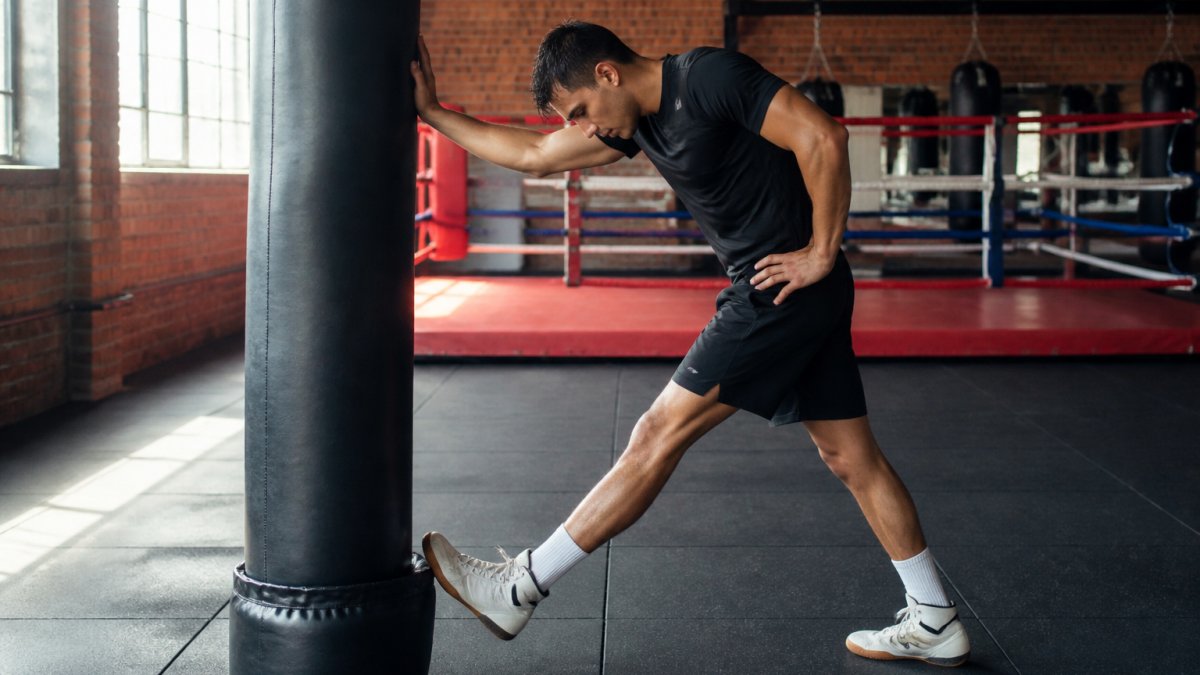
After your heart rate drops, stretch the muscles you just worked. Focus on your legs, shoulders, and hips. Hold each stretch for 20-30 seconds. Don't bounce or force the stretch.
Key muscles to stretch after boxing:
Hamstrings (back of thighs)
Hip flexors (front of hips)
Shoulders and chest
Calves
Lower back
Stretching reduces muscle soreness and keeps your mobility high. Many beginners skip this and then feel stiff the next day.
Pro Tip Stretch while your muscles are still warm. This is the best time for flexibility work. Cold muscles don't stretch as well and can get injured if forced.
How to Recover After Boxing Training: Nutrition and Hydration
Recovery nutrition for boxing isn't the same as recovery for a jog or a lift. A boxing session mixes aerobic work, anaerobic bursts, and upper-body muscular endurance, and if you're wearing headgear and gloves you're sweating more than you'd expect from a 45-minute class. What you eat and drink in the hours after training determines how you feel at your next session.
The first 30-60 minutes after your last round
Your muscles are most receptive to nutrients in the window right after training. You don't need a fancy supplement. You need protein and carbohydrates together.
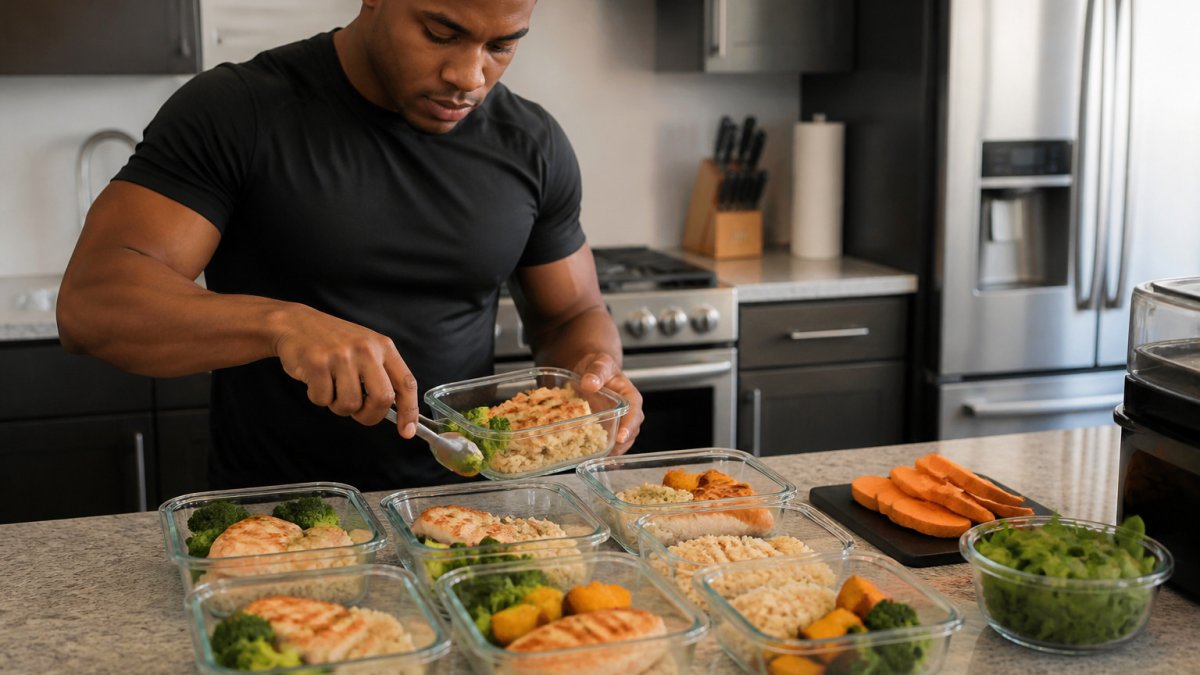
A practical target for a beginner boxer (roughly 150-180 lb) is 20-30 grams of protein and 40-60 grams of carbohydrates within an hour of finishing. That's roughly:
A chicken breast (about 25 g protein) with a cup of rice (about 45 g carbs)
A Greek yogurt cup (about 15 g protein) with a banana and a tablespoon of honey (about 40 g carbs)
Two eggs and a slice of whole-grain toast with peanut butter
A whey or plant protein shake blended with a banana and milk or a milk alternative
If you trained hard for more than 90 minutes, or if you're sparring, push the carb side higher. Sparring sessions can burn 600-900 calories in an hour depending on intensity and body size, and your glycogen stores take a real hit.
Hydration: what boxing actually costs you
A common pattern is that beginners under-drink because they don't notice sweat evaporating under gloves, wraps, and headgear. Weigh yourself before and after a session if you want a real number.
A simple daily check: urine should be light yellow, not dark amber. If it's dark, you're behind.
For sessions under 60 minutes, plain water is fine. For sessions over 90 minutes, or if you're a heavy sweater, add electrolytes.
What to avoid right after training
Alcohol. It slows muscle repair and dehydrates you further.
Large high-fat meals. They digest slowly and can leave you feeling sluggish when you should be refueling.
Skipping the meal entirely because you're not hungry. Appetite often lags after intense work. A shake is a fine substitute if solid food doesn't appeal.
A simple post-training nutrition template
Time after session | What to do |
0-15 min | Start sipping water or an electrolyte drink |
30-60 min | Protein + carb meal or shake |
2-3 hours | Full balanced meal with vegetables, protein, and carbs |
Rest of day | Keep water nearby, aim for light-yellow urine |
Pro Tip If you train in the evening and don't want a full meal before bed, a casein-rich snack like Greek yogurt or cottage cheese with a piece of fruit supports overnight repair without disrupting sleep.
Active Recovery Exercises for Boxers on Rest Days
Rest days don't mean sitting on the couch. Light movement actually speeds recovery. This is called active recovery.
Active recovery keeps blood flowing to your muscles, which helps flush out waste products and bring in fresh nutrients.
Good active recovery exercises for boxers:
Easy walking (20-30 minutes)
Light swimming
Gentle yoga
Foam rolling sore muscles
Mobility work (slow, controlled movements)
The key word is "light." You're not working hard. You're moving gently. Your heart rate should stay low.
Many beginners make the mistake of doing hard workouts on "rest days." That's not recovery. That's overtraining.
Watch Out Overtraining without proper recovery leads to injury, burnout, and declining performance. Rest days are not laziness, they're essential for progress.
Foam rolling is especially useful for boxers. It releases tension in tight muscles and improves mobility. Spend 1-2 minutes on each major muscle group. Roll slowly. If you find a tender spot, pause there for 10-15 seconds.
Rest Days for Boxing Beginners: Frequency and Planning
How many rest days do you need? Most beginners should train 3-4 days per week and rest 3-4 days per week.
A simple beginner schedule might look like:
Monday: boxing training
Tuesday: rest or active recovery
Wednesday: boxing training
Thursday: rest or active recovery
Friday: boxing training
Saturday: rest or light active recovery
Sunday: rest
This pattern gives you recovery time between hard sessions. Your nervous system adapts. Your muscles repair. Your energy stores refill.
As you get stronger, you can increase frequency. But start conservative. Beginners often want to train every day.
Plan your rest days intentionally. Don't just wing it. Know which days are training days and which are recovery days.
Boxing Injury Prevention and Recovery: When to Seek Help
Most soreness after boxing is normal. Some pain is not. The hard part for beginners is telling the difference, and the stakes are higher in boxing than in most fitness activities because of head contact.
Normal soreness vs. something worth stopping for
Delayed-onset muscle soreness (DOMS) typically shows up 24-48 hours after training. It feels like a dull, spread-out ache across muscle groups, improves when you move around, and fades within a few days. That's adaptation, not injury.
Injury pain tends to look different:
Sharp, shooting, or pinpoint pain in one spot
Pain that gets worse with movement instead of loosening up
Swelling, bruising, or a joint that won't move through its normal range
Pain that hasn't improved after 3-5 days of rest
If you have any of those, stop training that area. Ice for 15-20 minutes at a time, rest it, and if it doesn't improve in a few days, see a doctor or a sports medicine specialist.
Head impacts: the part beginners underestimate
This is the section most recovery articles skip, and it's the one that matters most. In boxing, a hard shot to the head is not something to "walk off." A concussion is a brain injury, and returning to training too soon after one raises the risk of a second, more serious injury.
Stop training immediately and get assessed by a medical professional if you experience any of these after a head impact:
Headache that doesn't go away or gets worse
Dizziness, balance problems, or feeling "off"
Confusion, memory gaps, or trouble concentrating
Nausea or vomiting
Sensitivity to light or noise
Feeling unusually emotional, irritable, or foggy
Any loss of consciousness, even briefly
You do not need to be knocked out to have a concussion. Most concussions in boxing happen without losing consciousness.
Return-to-training rules of thumb
There is no universal timeline. A doctor or a certified athletic trainer should clear you before you return to any activity that involves head contact.
Do not spar or take head contact while you still have symptoms. Do not "test" your head by taking a light shot to see how it feels. That's how second-impact syndrome happens, and it can be fatal.
Preventing the preventable
You can't eliminate head contact in boxing, but you can reduce avoidable injuries:
Always wrap your hands properly and use gloves in good condition.
Learn to keep your chin down and hands up. Most head shots land because of defensive gaps, not bad luck.
Tell your coach if you're feeling off, even if you're not sure why.
Don't spar hard more than once or twice a week as a beginner. Your brain needs recovery time just like your muscles do.
If you're new, prioritize technique sessions and bag work over hard sparring. There's no rush.
Watch Out Any head impact with symptoms is a medical issue, not a toughness test. Stop training, get assessed, and follow a doctor's clearance before returning to contact. A second impact before the first one heals can be life-threatening.
Your First Week: A Beginner's Recovery Timeline
Here's what your first week of boxing recovery should look like:
Day 1 (Training Day)
30-45 minute boxing session
5-10 minute cool-down with light movement
10 minute stretching routine
Eat protein and carbs within 60 minutes
Drink water throughout the day
Day 2 (Rest/Active Recovery)
20-30 minute easy walk or light yoga
Foam roll for 10 minutes
Eat normally with good protein intake
Stay hydrated
Day 3 (Training Day)
30-45 minute boxing session
Repeat cool-down and stretching from Day 1
Post-workout meal with protein and carbs
Hydrate well
Day 4 (Rest/Active Recovery)
Light movement only
Gentle stretching
Focus on sleep and nutrition
Day 5 (Training Day)
30-45 minute boxing session
Full cool-down and stretching
Post-workout nutrition and hydration
Day 6 (Rest/Active Recovery)
Light activity
Foam rolling if you feel sore
Prioritize sleep
Day 7 (Complete Rest)
No training
Light walking if you want
Focus on eating well and sleeping 7-9 hours
This pattern gives you 3 training days and 4 recovery days. Your body adapts to the training stimulus during recovery. By the end of week one, you'll feel less sore and more confident.
Track how you feel each day. Write it down. This helps you understand your own recovery patterns and adjust as needed.
Conclusion: Building Your Recovery Routine
Boxing recovery isn't complicated, but it requires intention. Cool down properly. Stretch. Eat and drink strategically. Rest enough. Follow this framework and you'll progress faster while staying healthy.
Man of War Boxing & Fitness emphasizes recovery because we know it's where real results happen. Our USA Boxing certified coaching team teaches beginners the complete picture: proper technique during training, and proper recovery between sessions. This combination builds strength, confidence, and lasting results. Start training today.
Frequently Asked Questions
How long should you rest after a boxing workout?
Most beginners need 48 hours of rest between intense boxing sessions to allow muscles to repair. Light activity on rest days is fine, but avoid hard training on consecutive days. Your heart rate and breathing should return to normal within 30 minutes after a session; if they don't, you may have trained too hard for your current fitness level. As you build conditioning, recovery time may shorten, but beginners should never skip rest days.
What should you eat and drink after boxing?
Drink water or an electrolyte beverage within 15 minutes of finishing to replace fluids lost through sweat. Eat a meal or snack containing protein and carbohydrates within 2 hours: examples include chicken with rice, a protein shake with fruit, or Greek yogurt with granola. Protein supports muscle repair, while carbohydrates replenish energy stores. Avoid heavy, greasy foods that slow digestion. Proper nutrition after training accelerates recovery and reduces muscle soreness.
How can beginners reduce soreness after boxing?
Muscle soreness peaks 24-48 hours after training and is normal for beginners. Reduce it by cooling down with 5-10 minutes of light movement and stretching immediately after your session, staying hydrated, eating protein-rich meals, and getting 7-9 hours of sleep. Light active recovery like walking or easy shadow boxing on rest days also helps. Ice baths are optional and not necessary for beginners; regular stretching and foam rolling are more effective and accessible.
Is active recovery good for boxers?
Yes, active recovery on rest days speeds up muscle repair and reduces stiffness without adding training stress. For boxers, this means light activities like walking, swimming, yoga, or easy shadow boxing at 40-50% intensity. Active recovery increases blood flow to muscles, delivering oxygen and nutrients needed for healing. Beginners should do 20-30 minutes of light movement on rest days, not hard training. This approach prevents injury and prepares you mentally for your next boxing session.
START TRAINING TODAY

Comments