

How Do You Practice Boxing Self Defense With a Partner?

Last Updated: October 25, 2026
Quick Summary
Practice boxing self defense with a partner by drilling the guard, slipping, ducking, footwork, and counters at controlled speed, starting at 50% speed or less. Agree on contact levels and a stop signal before every session, and keep learning rounds to 60-90 seconds with 30-60 seconds of rest.
Beginners stay at Level 1 touch-only contact for at least two weeks.
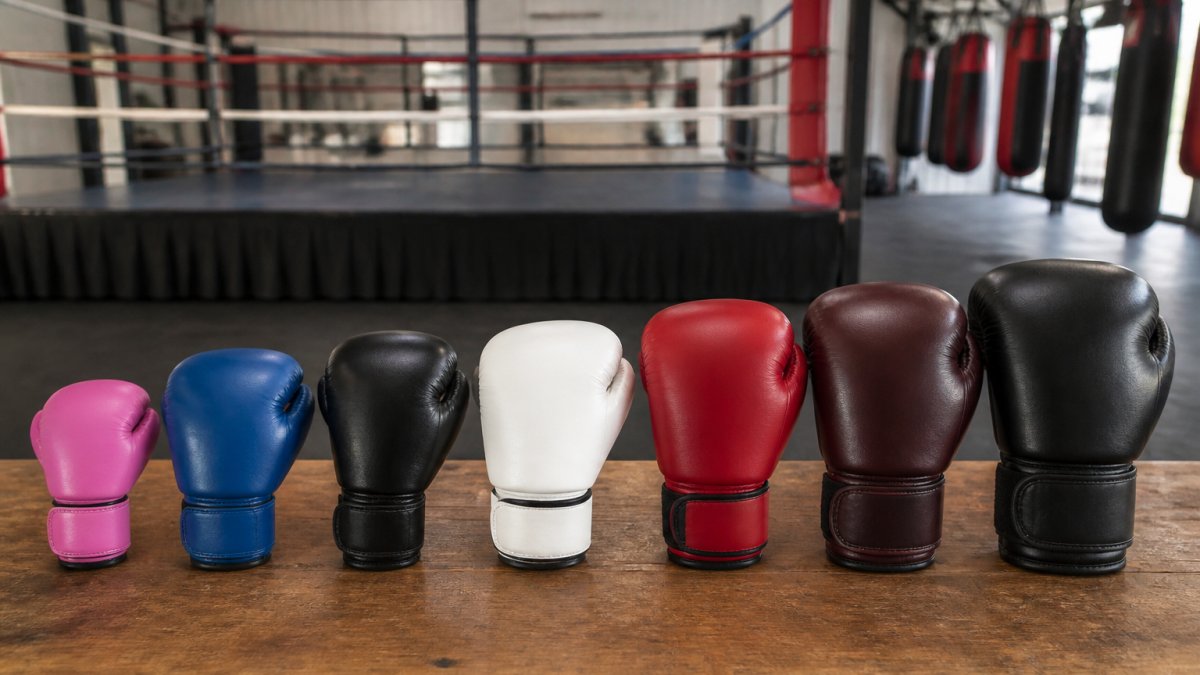
Use 14-16 oz gloves, hand wraps, mouthguard, and headgear for partner drills.
Keep learning rounds to 60-90 seconds with 30-60 seconds of rest.
Match partners by experience and size, keeping Level 1 contact if over 30 pounds apart.
Follow the six-week plan, repeating a week until form stays clean for two sessions.
Table of Contents
Why Partner Work Is the Fastest Way to Build Boxing Self Defense
What You Need Before Your First Partner Session
Boxing Partner Drills for Beginners: Build the Guard First
Boxing Defense Drills With a Partner: High Guard, Slipping, Ducking, and Dipping
Timing and Reaction Practice With Random Calls
Boxing Footwork Drills With a Partner: Balance, Range, and Distance Management
Boxing Drills Without Sparring: Counters, Pad Work, and Controlled Contact
Counterattack Reps: Left Hook, Straight Right, and Step-Out Escapes
Safety Rules, Intensity Control, and Partner Skill Matching
The Pre-Session Agreement
Protective Equipment Checklist
Intensity Control in Practice
Partner Skill Matching
Communication Cues
When to Stop a Session
A Progressive 6-Week Partner Practice Plan
How to Use This Plan
Week 1, Guard and Stance
Week 2, Basic Defense
Week 3, Head Movement
Week 4, Footwork and Distance
Week 5, Counters
Week 6, Controlled Contact and Timing
Weekly Progression Checklist
Start Training With a USA Boxing Certified Coach
Frequently Asked Questions
Why Partner Work Is the Fastest Way to Build Boxing Self Defense
Boxing self defense comes down to one truth: you cannot learn to react to a live person by hitting a bag.
A bag never punches back or crowds your space; a good partner does both, safely, at a speed you can handle. Partner drills teach your body to react before your brain catches up, the split-second response self defense requires.
What You Need Before Your First Partner Session
Start with the right gear and a partner who understands this is practice, not a fight.
Hand wraps: protect your knuckles and wrists
Gloves: 14-16 oz for controlled partner work
Mouthguard: non-negotiable for any contact
Before you throw a single punch, agree on one rule: control beats power. Nobody wins a drill.
Boxing Partner Drills for Beginners: Build the Guard First
Beginners should spend their first sessions on the guard, not offense. A strong guard is your first line of defense and has to feel natural before anything else.
Start with these boxing partner drills for beginners:
Guard check: partner taps your gloves and elbows; you keep them tight
Mirror drill: follow your partner's slow movements while holding form
Punch-and-reset: partner throws one slow punch; you return to guard
Shoulder tap: partner taps your shoulder; you tighten up without dropping your hands
Keep each round short, around one minute. Rest between rounds.
A common mistake is letting the elbows drift from the ribs, a wide guard invites punches straight down the middle.
Boxing Defense Drills With a Partner: High Guard, Slipping, Ducking, and Dipping
Defense is where boxing self defense becomes real. These partner drills train your body to evade, not just absorb.

The high guard is your base: gloves by the cheeks, elbows in, chin down. From there, add movement:
Slipping: rotate your torso so your head moves off the center line
Ducking: bend at the knees, not the waist, to drop under a punch
Dipping: a small downward shift to load a counter
Your partner throws at half speed; focus on clean movement, not speed.
Timing and Reaction Practice With Random Calls
Random calls build defensive reflexes: your partner throws a mix of punches on no set pattern and you react with the right defensive move. For a deeper guide to improving decision speed in live exchanges, see our step-by-step article. Start slow, calling out the punch number as you throw, then drop the call once your partner reads it well.
Boxing Footwork Drills With a Partner: Balance, Range, and Distance Management
Footwork wins exchanges. These partner drills teach balance and distance management, the skills that keep you safe and set up your counters. Try these:
Jason Hartstein
Mirror step: partner moves; you match their footwork
Range tag: partner steps in; you step out to keep distance
Angle drill: pivot off the line as your partner advances
Push-and-hold: maintain your stance while your partner applies light pressure
Keep your weight centered, stay on the balls of your feet, and never cross your legs. Control the range and you control the exchange.
Boxing Drills Without Sparring: Counters, Pad Work, and Controlled Contact
Boxing drills without sparring cover counters, pad work, and controlled contact that sharpen offense and defense together.
Pad work is the backbone. Your partner holds mitts and calls combinations.
Then add controlled contact: your partner throws light punches and you defend and counter in the same beat.
Counterattack Reps: Left Hook, Straight Right, and Step-Out Escapes
Counters turn defense into offense. Practice three reps:
Left hook counter: slip outside, then fire the left hook
Straight right counter: duck under, then drive the straight right
Step-out escape: evade, then step out at an angle to reset
Self-defense priority matters: escape first, strike second. If you can step out and get safe, do that.
Safety Rules, Intensity Control, and Partner Skill Matching
Safety is not optional in partner work. Set rules before you start, match partners by skill, and agree on exactly what contact is allowed before the first punch. Most partner-drill injuries come from unclear expectations, not bad technique. To protect your hands, follow these steps to avoid wrist injuries in boxing.
The Pre-Session Agreement
Before every session, both partners answer four questions out loud:
What contact level are we using? Level 1 is touch-only (glove taps, no impact), Level 2 is light contact (controlled punches, no follow-through), Level 3 is moderate contact (controlled, with visible impact). Beginners stay at Level 1 for at least two weeks. Never move up a level in the same session without both partners agreeing.
What is the stop signal? Agree on a verbal cue ("stop" or "break") and a physical cue (both hands up, palms out). Either partner can call it at any time, for any reason, and the drill ends immediately, no explanations required.
What are we working on? Name the one skill for the round, guard tightness, slipping outside, stepping out at an angle. One focus per round keeps intensity controlled.
What is off-limits? No live head shots above Level 1, no throws or takedowns unless both partners have trained them, and no punching a partner who is against a wall or cornered.
Protective Equipment Checklist
Gear is your first layer of intensity control. Both partners wear:
Hand wraps, protect knuckles and wrists under gloves
Boxing gloves, 14-16 oz, heavier gloves slow punches and reduce impact
Mouthguard, non-negotiable for any contact, even light
Inspect gloves and headgear before each session. Cracked foam, loose Velcro, or worn wrist straps mean the gear no longer protects you, replace it rather than taping it up.
Intensity Control in Practice
Control beats power. Nobody wins a drill. Keep intensity in the safe zone:
Speed before power. Start every new drill at 50% speed or less. Add speed only when form stays clean for a full round.
No follow-through. A controlled punch stops at the target or just short of it. If your partner's head snaps back, you are throwing too hard.
Reset after every mistake. If either partner loses form, stop, reset your stance, and restart. Sloppy reps build sloppy habits.
Watch Out Never practice defense drills with a partner who is angry, distracted, or trying to "win" the round. Self-defense practice is cooperative, not competitive. If the energy shifts toward competition, end the session.
Partner Skill Matching
Mismatched partners are the most common cause of both injury and stalled progress. Match on two axes: experience and size.
Beginner with beginner: best for learning the guard and basic defense. Both partners move at the same pace and neither feels pressured to keep up.
Beginner with experienced partner: best for timing and reaction drills, but only if the experienced partner agrees to work at the beginner's level. The experienced partner's job is to feed clean, predictable punches, not to test the beginner.
Size differences: if partners differ by more than about 30 pounds, keep contact at Level 1 and avoid drills that involve pushing, crowding, or clinching. Reach differences change distance, so reset the range before every round.
Communication Cues
Clear cues keep drills safe and productive. Agree on a short vocabulary before you start:
"Slower", reduce speed immediately, keep the same drill
"Lighter", reduce contact level immediately
"Reset", stop, step back, and restart from your stance
Say the cue loudly and repeat it if your partner does not respond. Never assume your partner knows they are throwing too hard. Speak up early, before frustration builds.
When to Stop a Session
End the session if any of these happen:
A partner takes a shot that rings their bell, even lightly
Either partner feels pain in the wrist, hand, or shoulder
Form breaks down for more than a few reps in a row
A Progressive 6-Week Partner Practice Plan
A structured plan beats random drilling. This six-week plan builds from the guard to live counters, adding one layer at a time, with a clear focus, specific drills, and a progression rule for each week.
How to Use This Plan
Frequency: 2-3 sessions per week, 30-45 minutes each. Two sessions is enough to progress; three accelerates it.
Session structure: 5 minutes warm-up (jump rope, shadowboxing, arm circles), 20-30 minutes of drills, 5 minutes cool-down and review.
Round format: 60-90 seconds of work, 30-60 seconds of rest. Beginners start at 60 seconds and add time only when form holds.
Week 1, Guard and Stance
Focus: a tight, natural guard that stays up under light pressure.
Guard check (3 rounds): partner taps your gloves and elbows at random; you keep them tight against your cheeks and ribs. 60 seconds per round.
Mirror drill (3 rounds): partner moves slowly; you follow while holding form. 60 seconds per round.
Punch-and-reset (3 rounds): partner throws one slow punch; you return to guard. 10 reps per round.
Coaching cue: elbows in, chin down, gloves by the cheeks. If you can see your own elbows in your peripheral vision, they are too wide.
Common mistake: letting the elbows drift away from the ribs. A wide guard invites punches straight down the middle.
Week 2, Basic Defense
Focus: high guard and slipping off the center line.
High guard drill (3 rounds): partner throws slow straight punches; you block with the high guard. 60 seconds per round.
Slip outside (3 rounds): partner throws a slow straight right; you slip to the outside. 10 reps per side.
Slip and reset (3 rounds): slip, then return to guard before the next punch. 10 reps per round.
Coaching cue: rotate the torso, not just the head. The slip comes from the hips and shoulders.
Common mistake: leaning forward into the punch instead of rotating off the line.
Week 3, Head Movement
Focus: ducking and dipping under punches.
Duck under (3 rounds): partner throws a slow hook; you bend at the knees to drop under it. 10 reps per side.
Dip and counter-load (3 rounds): dip down, then return to stance ready to fire. 10 reps per round.
Random head movement (3 rounds): partner mixes straight punches and hooks at half speed; you choose slip, duck, or dip. 60 seconds per round.
Coaching cue: bend at the knees, not the waist. Keep your back straight and your eyes on your partner.
Common mistake: ducking too low and losing sight of the next punch.
Week 4, Footwork and Distance
Focus: balance, range, and stepping out at an angle.
Mirror step (3 rounds): partner moves; you match their footwork. 60 seconds per round.
Range tag (3 rounds): partner steps in; you step out to keep distance. 10 reps per round.
Angle step-out (3 rounds): partner advances; you pivot off the line and reset at an angle. 10 reps per side.
Coaching cue: stay on the balls of your feet, weight centered, never cross your legs.
Common mistake: stepping straight back instead of at an angle, which keeps you on the punch line.
Week 5, Counters
Focus: turning defense into offense in the same beat.
Left hook counter (3 rounds): slip outside, then fire the left hook. 10 reps per side.
Straight right counter (3 rounds): duck under, then drive the straight right. 10 reps per round.
Step-out escape (3 rounds): evade, then step out at an angle to reset. 10 reps per side.
Coaching cue: defense first, strike second. The counter only counts if the defense was clean.
Common mistake: rushing the counter and dropping the guard on the way in.
Week 6, Controlled Contact and Timing
Focus: reacting to a mix of punches at controlled speed, with escape as the first priority.
Random call drill (3 rounds): partner throws a mix of punches on no set pattern; you react with the right defense. 60 seconds per round.
Defend-and-counter (3 rounds): partner throws light punches; you defend and counter in the same beat. 60 seconds per round.
Step-out priority drill (3 rounds): partner pressures; your first job is to step out and reset, and only counter if the escape is clean. 60 seconds per round.
Coaching cue: escape first, strike second. If you can step out and get safe, do that.
Common mistake: skipping ahead to fast contact before the guard is solid. That is the fastest way to build bad habits and pick up injuries.
Weekly Progression Checklist
Before moving to the next week, confirm all four:
You completed the week's drills for at least two full sessions
Form stayed clean for the full round in each drill
Both partners stayed at the agreed contact level
If any item is missing, repeat the week. Progress is built on clean reps, not on speed.
Key Takeaway This plan is a sequence, not a menu. Each week depends on the one before it. Skipping weeks is the most common reason partner practice stalls.
Here is how the six-week plan layers one skill at a time, with a focus and progression rule for each week.
Week | Focus | Key drills |
Week 1 | Guard and stance | Guard check, mirror drill, punch-and-reset |
Week 2 | Basic defense | High guard drill, slip outside, slip and reset |
Week 3 | Head movement | Duck under, dip and counter-load, random head movement |
Week 4 | Footwork and distance | Mirror step, range tag, angle step-out |
Week 5 | Counters | Left hook counter, straight right counter, step-out escape |
Week 6 | Controlled contact and timing | Random call drill, defend-and-counter, step-out priority drill |
Start Training With a USA Boxing Certified Coach
Partner drills work best under a trained eye, a coach spots the flaws you cannot see and keeps intensity in the safe zone. Meet our trainers to see their credentials and backgrounds.
When you are ready, book your first session and start building real skill.
Learning boxing self defense with a partner takes structure, safety, and repetition. You can drill alone for years and still freeze when a real person moves at you.
Frequently Asked Questions
Can boxing be used for self-defense?
Yes, with the right framing. Boxing teaches you to keep your hands up, move your feet, manage distance, and react to incoming punches, all of which transfer directly to a self-defense situation. What it does not cover is grappling, takedowns, or weapons, so treat boxing self defense as one layer of a broader plan. The habits that matter most are a reliable high guard, calm head movement, and the footwork to step out of range and leave rather than stay and trade.
How can beginners practice boxing defense with a partner?
Start slow and scripted. Have your partner throw one known punch at about 30 percent speed while you practice a single response, such as a high guard block or a slip to the outside. Repeat for 10 to 15 reps, then add a second punch. Keep the drill predictable until the movement feels automatic, then introduce random timing. Beginners should wear 16 oz gloves and headgear, keep contact light, and stop the round the moment technique breaks down.
What partner drills help improve boxing reflexes and defense?
Three drills do most of the work. The first is random-call defense, where your partner names or throws a punch and you respond with guard, slip, or duck. The second is the mirror drill, where you shadow your partner's lead foot and shoulders to read movement early. The third is counter-pad work, where your partner flashes a target after your defensive move and you answer with a short counter. Ten minutes of these per session builds reaction speed faster than long, unfocused rounds.
Can you practice boxing self-defense without sparring?
Yes. Most defensive skill comes from drills, not sparring. Partner drills without sparring, such as guard work, slipping reps, footwork ladders, and controlled counter drills, build the reflexes you need while removing the risk of hard contact. At Man of War Boxing & Fitness, structured partner work is built into the training so beginners can develop timing and defensive positioning before any live rounds. Save sparring for when a USA Boxing certified coach says you are ready.
START TRAINING TODAY
Add manofwarboxing.com as a preferred source on Google →


Comments